27 November 2025 --- mahakali caves
Mahakali Caves Guide: History, Secrets & Why It’s a Must-Visit in Mumbai
Mumbai, the city that never sleeps, is famous for its vibrant energy, towering skyline, and fast-paced commercial life. Yet, tucked away in the bustling suburb of Andheri East lies a silent, 2,000-year-old secret: the Mahakali Caves, a hidden gem that offers a powerful connection to India’s deep spiritual past. Also known by their ancient name, the Kondivite Caves, these rock-cut sanctuaries provide an unexpected dose of tranquility and history, making them an absolute must-visit destination for anyone looking to truly understand the city's roots.
Unearthing Ancient History and Origin
The Mahakali Caves were meticulously carved out of solid black basalt rock, a testament to the remarkable skill of ancient artisans. The construction dates back to a vast period, spanning the 1st century BCE to the 6th century CE, classifying them among the oldest rock-cut monuments in the Mumbai Metropolitan Region.
These ancient sites were primarily used as viharas (monastic cells and living quarters) and chaityas (prayer halls) by Buddhist monks, who sought refuge here for meditation and study. During the early centuries of the Common Era, this area, far removed from any major settlement, offered the perfect secluded environment for spiritual practice. The original purpose of the Mahakali Caves was entirely Buddhist, serving as an active monastery connected to other prominent cave complexes like Kanheri.
The modern name, Mahakali, is a curious feature. It likely stems from a nearby Hindu temple dedicated to the goddess Kali, demonstrating how these ancient sites adapted to the changing religious landscape of the region over centuries. While historians often refer to them as the Kondivite Caves, for modern travelers, the lure of the Mahakali Caves remains timeless, offering a chance to step directly into Mumbai's deep past.
Architectural Secrets: A Glimpse into Buddhist Life
The complex of the Mahakali Caves is divided into two distinct groups, totaling 19 separate rock-cut structures. The southeastern cluster is the older and larger group, consisting of 15 caves. The smaller northwestern cluster is composed of four caves, including one believed to have been used as a dining area.
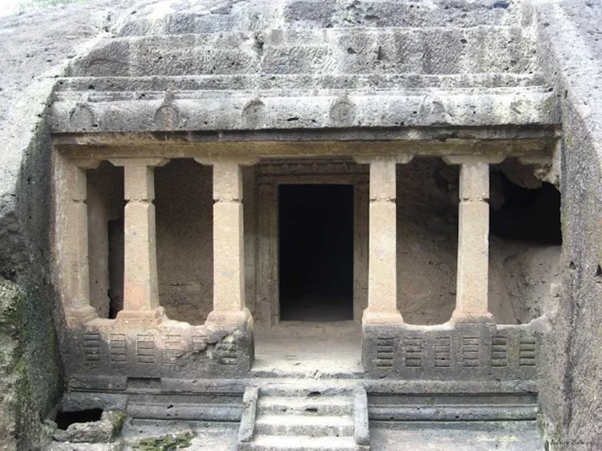
The most significant structure is Cave 9, the Chaitya or prayer hall. This large chamber is the focal point of the entire Mahakali Caves complex, featuring a large, partially mutilated stupa and several figures of the Buddha and Buddhist deities carved into the walls. Standing within this sacred space, you can easily imagine the rhythmic chants and quiet contemplation that once filled the hall 2,000 years ago.
The walls of the Mahakali Caves hold faint but profound remnants of the past. Inscriptions written in the ancient Pali language, which predates Sanskrit, provide valuable insights into the donors and patrons who sustained the monastery. The overall architecture of the Mahakali Caves is a testament to the skill and simplicity favored by the Hinayana sect of Buddhism, with most viharas being small, stark chambers designed purely for dwelling and profound meditation. The architecture of the Mahakali Caves is a strong historical feature.
Ancient Engineering and Why It’s a Must-Visit
One of the often-overlooked secrets of the Mahakali Caves is the presence of expertly carved rock-cut water cisterns. These reservoirs, carved directly into the black basalt, were ancient feats of civil engineering, designed to capture and store rainwater. These sustained life within the confines of the Mahakali Caves, ensuring the monastic community could thrive even during Mumbai's dry seasons. Exploring the simple yet powerful structures of the Mahakali Caves allows visitors to appreciate the practical ingenuity that underpinned the monks' spiritual commitment.
In a city defined by speed, visiting the Mahakali Caves offers a genuine, unexpected reprieve. It’s an easy, short exploration perfect for a quiet morning away from the hustle. For history buffs and students of archaeology, the Mahakali Caves provide palpable contact with Mumbai’s ancient origins, serving as a physical link between the Mauryan and Kushan empires and the modern metropolis. While other rock-cut sites like Elephanta or Kanheri are more famous, the central location of the Mahakali Caves makes them highly accessible, ideal for a quick cultural detour. The serene environment surrounding the Mahakali Caves, complete with maintained gardens, offers a refreshing contrast to the concrete jungle outside.
The Ideal Base for Exploring the Mahakali Caves

Image courtesy source: https://www.holidify.com/places/mumbai/mahakali-caves-photos-2877.html#
When planning a trip to immerse yourself in the history of the Mahakali Caves, choosing the right accommodation is key. The caves' location in Andheri East, strategically close to major business and residential hubs, means travelers have excellent options that blend convenience with luxury.
For those seeking superior comfort and proximity, finding a premium hotel in Powai is highly recommended. The Caliph Hotel offers an ideal base for heritage explorers. Perfectly situated near the scenic Powai Lake, the hotel is just a short drive from the historical Mahakali Caves and offers a tranquil escape after a day of sightseeing.
The Caliph Hotel prides itself on warm hospitality and modern amenities across its 60 Superior Rooms. Beyond its peaceful atmosphere, The Caliph Hotel provides top-tier dining and event facilities. Guests can savor a delicious meal at one of the finest restaurants in Powai, the in-house Pukhtoon Restaurant, renowned for its delectable multi-cuisine and "Afghani oven" specialties—the perfect way to recharge after a deep dive into the 2,000-year-old history of the Mahakali Caves.
Furthermore, if your visit combines history with professional commitments or if you are planning a celebration, the hotel features two elegant banquet hall in Powai options, equipped with sophisticated technology and customizable menus. Choosing Caliph Hotel Powai means you position yourself at the junction of Mumbai's past and its vibrant present, offering the best of both convenience and luxury. The excellent location simplifies travel to nearby points of interest, including the Mahakali Caves and major business parks like SEEPZ.
Preservation and Visitor Tips
The Mahakali Caves stand as protected monuments under the Archaeological Survey of India (ASI). However, they constantly face the challenges of urban sprawl and weathering, which have unfortunately caused mutilation of some of the original Buddha figures. Conservation efforts are vital to protect the fragile basalt rock from further decay, ensuring that the legacy of the Mahakali Caves endures.
Visitor Information and Tips for your trip to the Mahakali Caves:
- Timing: The Mahakali Caves are generally open from 9:00 AM to 5:00 PM. Visiting in the early morning is best to avoid crowds and the mid-day heat.
- Accessibility: Located conveniently on Mahakali Caves Road, they are easily reachable by road from Andheri and Powai.
- Experience: Since the Mahakali Caves are a historical rather than a highly commercialized tourist spot, they offer a quieter, more reflective experience.
A visit to the Mahakali Caves is a journey back in time, a necessary pause in the heart of a relentless city, and a powerful reminder of the layers of history and heritage that define Mumbai.